


How to Get Naturally Glowing Skin at Home
The Ultimate Science-Backed Guide
The Science of Skin Radiance
Skin radiance is a combination of smooth surface texture (which reflects light) and efficient microcirculation (which provides a rosy hue).
A study in the Journal of Clinical and Aesthetic Dermatology highlights that natural glow tips are most effective when they target the "Skin Barrier." When hydrated, it reflects light evenly; when dry, it absorbs light, making you look dull.
Your Daily Routine for a Natural Glow
Consistency is the secret to healthy skin. Follow this structured daily timeline:
| Time | Action | Purpose |
|---|---|---|
| 7:00 AM | Lukewarm water + Lemon | Internal detox and Vitamin C boost |
| 7:30 AM | 10 Mins Face Yoga | Boosts blood circulation to the face |
| 8:30 AM | Gentle Cleansing & SPF | Protection against UV-induced dullness |
| 1:00 PM | Hydrating Salad/Fruits | Antioxidant supply for cell repair |
| 4:00 PM | Green Tea / Herbal Infusion | Anti-inflammatory polyphenols |
| 10:00 PM | 8 Hours of Sleep | Peak "Cellular Regeneration" phase |
Effective Home Remedies for Glowing Skin
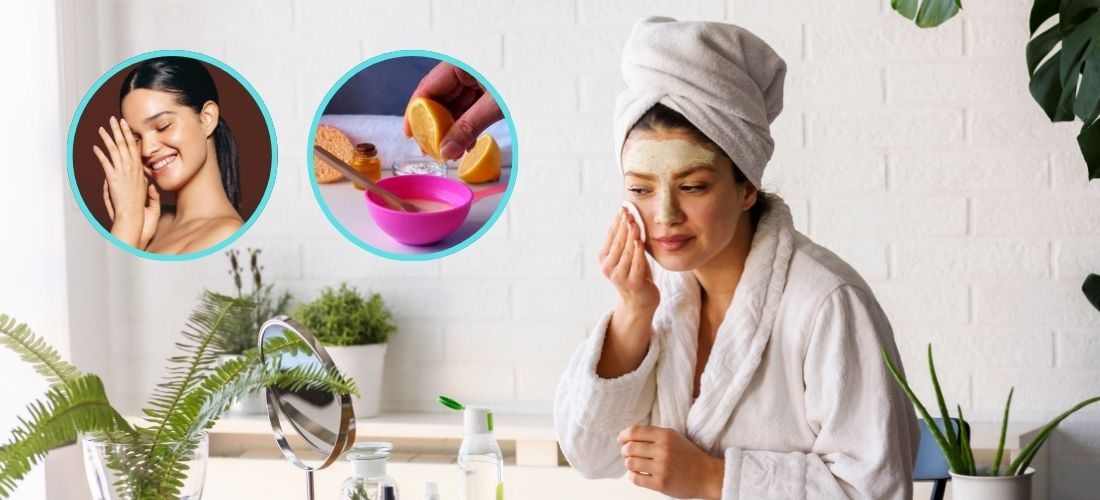
You don't need a chemical peel to look radiant. Here are the most effective Remedies for glowing skin using ingredients from your kitchen:
Food Table: Eat Your Way to Radiance
Your skin is a reflection of your gut health. Focus on these specific food groups:
| Food Category | Examples | Key Benefit |
|---|---|---|
| Vitamin C | Oranges, Kiwi, Guava | Boosts Collagen production |
| Omega-3 | Walnuts, Flaxseeds, Chia | Maintains the lipid barrier |
| Beta-Carotene | Carrots, Sweet Potatoes | Natural sun protection |
| Antioxidants | Blueberries, Green Tea | Fights oxidative stress |
| Hydrators | Watermelon, Cucumber | Plumps the skin cells |
The "Don'ts": Habits That Steal Your Glow
Lifestyle & Mindfulness: The Holistic Approach
To maintain glowing skin naturally at home , you must manage your internal environment. It's not just about what you put on your skin, but how you treat your body.
Exercise & Sweat
Physical activity increases blood flow. As your heart rate rises, your skin receives a surge of oxygenated blood, giving you that "post-workout glow."
Stress Management
High cortisol (stress hormone) is linked to acne and dullness. Yoga and meditation are essential natural skin glow tips for a balanced mind and face.
Hydration Science
It's not just about drinking water; it's about "eating" your water through hydrating fruits to ensure electrolytes help the water reach your cells.
| Habit | Biological Benefit | Result |
|---|---|---|
| Daily Exercise | Oxygen Circulation | Instant Radiance |
| Meditation | Cortisol Reduction | Clearer Complexion |
| Hydrating Fruits | Cellular Hydration | Plump & Dewy Skin |
Conclusion
Achieving a natural skin glow is a journey, not a destination. It is about moving away from harsh chemicals and embracing a non-toxic skincare routine that honors your body's biology.
During our consultation, we don't just look at your face; we look at your life. By integrating these remedies for glowing skin with the right diet and mindset, you can unlock a level of radiance that no bottle of foundation can mimic.
Focus on double hydration (drinking 3L water + hydrating masks), 8 hours of sleep, and cutting out all processed sugar.
No, but it makes skin photosensitive. Always wear SPF after using lemon-based home remedies for glowing skin.
Yes, it is a non-comedogenic natural moisturizer suitable for all skin types.
Dullness often comes from a buildup of dead skin cells or internal dehydration. Creams only sit on the surface.
Papaya (contains papain enzyme) and Oranges (Vitamin C) are top choices.
Through "Layered Hydration" and a heavy focus on sun protection and fermented foods like Kimchi.
In moderation, no. But more than 2 cups can dehydrate you, making natural glowing skin harder to achieve.
A pack of curd (yogurt) and tomato juice works wonders due to lactic and citric acids.
Yes, by reducing stress and improving circulation, though you must wash your face immediately after sweating.
Aim for 2.5 to 3 liters daily, depending on your activity level and climate.





Leave a Reply